
If seasonal allergies are getting in your way of enjoying the spring, you’re not alone. Did you know that over a quarter of adults in America suffer from seasonal allergies (sometimes called hay fever)?
There’s an old wives’ tale (and some misinformation on social media) that local honey can help with seasonal allergies. Whether it’s worked for you or not, there’s little proven evidence and conflicting research that it actually helps!
Why?
While hay fever is caused by an immune reaction to pollen in the air, honey mainly comes from flower nectar and doesn’t meaningfully expose you to the pollens responsible for allergy symptoms.
So… what are some natural ways to feel better this spring, especially since antihistamines might make you drowsy?
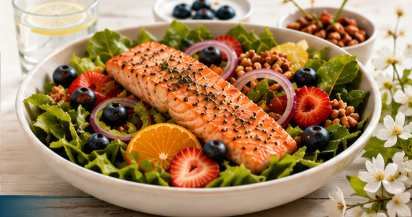
While there’s no natural antihistamine, there are several foods you may want to incorporate into your diet more often to help with natural symptom relief.
Diets rich in fruits and vegetables that provide vitamin C and other antioxidants (like citrus fruits, berries, bell peppers and leafy greens) may help lower histamine levels and support the nasal lining during allergy season.
Foods containing quercetin — a flavonoid found in onions, apples, berries and parsley — are thought to help stabilize mast cells, which are responsible for releasing histamine during allergic reactions.
Omega‑3 fatty acids from fatty fish, flaxseed and walnuts may further support symptom control by shifting the body away from pro‑inflammatory immune signaling, while probiotic‑rich foods like yogurt and kefir can help regulate immune responses through the gut–immune connection.
However, there are some foods that might act as a trigger to allergy sufferers, including:
- Raw fruits and vegetables: Certain raw produce can cross-react with pollen allergens and cause mouth or throat itching. The produce with birch pollen (raw apples, cherries), ragweed pollen (bananas, cucumbers), and grass pollen (tomatoes, oranges, peaches) may affect sensitive seasonal allergy suffers, unlike the citrus and berries that can help.
- Histamine‑rich foods: Foods high in histamine (like aged cheese and alcohol) can add to the body’s histamine load and intensify allergy symptoms in sensitive people.
- Dairy (for some individuals): Dairy may increase the sensation of thick mucus or congestion in susceptible people, though effects vary.
- Highly processed or high‑sugar foods: Ultra‑processed foods can promote systemic inflammation, which may worsen allergy symptoms overall.
Whether your allergies need some medical intervention or are just annoying on high-pollen days, the “helpful” food list might introduce some tasty flavors into your diet. Paying attention to personal triggers while emphasizing broadly anti‑inflammatory foods can help make allergy season more manageable, even if the effects are subtle. Happy spring and summer!