
What you eat plays a powerful role in the health, strength, and growth of your hair. According to Healthline, “a lack of the right nutrients, including vitamins A, C, D, and E, zinc, B vitamins, iron, biotin, protein, and essential fatty acids, may slow hair growth or even cause hair loss.” Before turning to supplements, most experts recommend focusing on whole foods that provide these nutrients naturally. This month, we highlight some of the best foods shown to support hair growth and the reasons they work.
Eggs: Protein, Biotin and Essential Minerals
Hair is made primarily of protein, and eggs deliver a complete, high-quality source. They are also rich in biotin, which is essential for the production of keratin. Healthline notes that eggs additionally contain “zinc and selenium,” minerals that support scalp and follicle health.¹
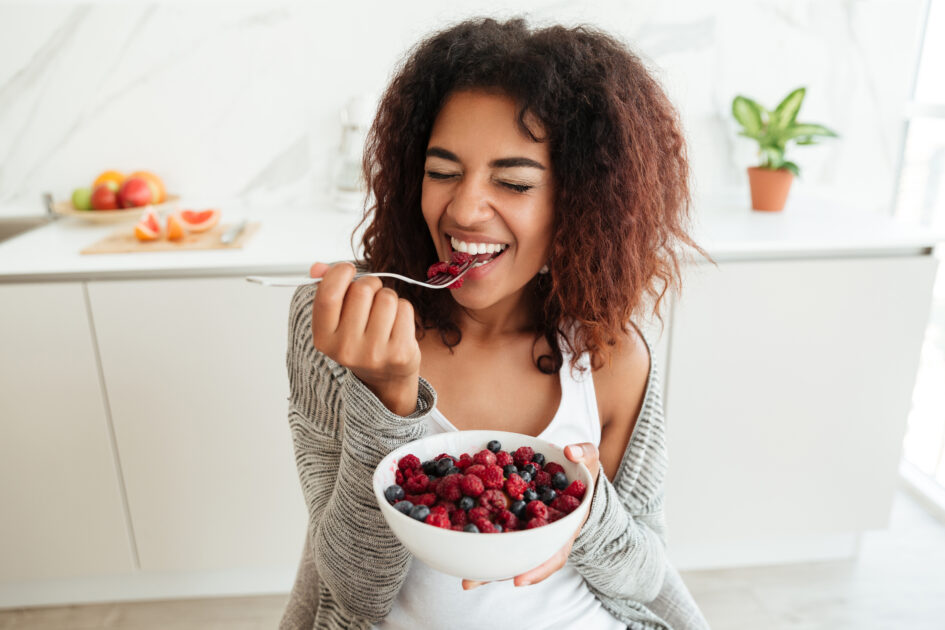
Berries: Vitamin C and Antioxidants
Berries offer vitamin C, a key antioxidant that helps your body produce collagen. Collagen plays a role in strengthening hair and preventing breakage. The Healthline article explains that vitamin C also “helps your body absorb iron,” an important mineral that supports healthy hair growth.¹
Spinach and Leafy Greens: Iron, Folate, Vitamins A and C
Spinach is packed with nutrients crucial for hair health. Healthline highlights that spinach provides “iron, folate, and vitamins A and C,” making it a powerhouse food for supporting strong hair.¹ Iron helps carry oxygen to your hair follicles, supporting growth.
Fatty Fish: Omega-3s and Vitamin D
Fatty fish such as salmon, mackerel, and herring contain omega-3 fatty acids and protein. Healthline notes that people who supplemented with omega-3 fats and antioxidants “experienced reduced hair loss and increased hair density,” although more research is needed.¹ Many fatty fish also contain vitamin D, another nutrient linked to healthy hair follicles.
Avocados: Healthy Fats and Vitamin E
Avocados supply healthy fats that support scalp moisture and shine. They are also rich in vitamin E, which “protects areas of the skin, like the scalp, from oxidative stress and damage.”¹ Since oxidative stress can lead to weaker hair and hair loss, vitamin E–rich foods may help support healthier strands.
Nuts and Seeds: Zinc, Selenium, Vitamin E and Plant-Based Fats
Nuts and seeds offer a mix of hair-supporting nutrients. Flax, chia, walnuts, and sunflower seeds all provide vitamin E along with essential minerals such as zinc and selenium. Healthline notes that a deficiency in these minerals has been linked to hair loss.¹
Sweet Potatoes and Bright Vegetables: Beta-Carotene and Vitamin A
Sweet potatoes contain beta-carotene, which the body converts into vitamin A. This vitamin supports the production of sebum — your scalp’s natural oil. Healthline states that vitamin A “may help speed up the rate of hair growth” while supporting a well-nourished scalp.¹
Beans and Legumes: Plant-Based Protein and Essential Minerals
For those who follow a plant-forward diet, beans are an excellent option. Healthline explains that beans “are a great plant-based source of protein,” and also offer iron, zinc, and biotin.¹ These nutrients support strong, healthy hair and may help prevent thinning.
Why Whole Foods Matter
Nutrient deficiencies — especially iron, zinc, biotin, and protein — can contribute to hair loss. Healthline emphasizes that supplementing above your needs does not necessarily speed up hair growth and, in some cases, “taking too much of certain nutrients… may cause hair loss.”¹
Focusing on a balanced diet rich in whole foods is a safe, effective first step toward supporting hair health.
Sources
1 “12 Best Foods for Hair Growth,” Healthline, healthline.com, Accessed December 9, 2025.
2 “Food for Hair Growth: What You Should Be Eating,” Cleveland Clinic, health.clevelandclinic.org, Accessed December 9, 2025.